
Saat traveling , just a little traveler one who claims to have found their life partner or soulmate. A traveler For example, BERNAMA's Kelly Tolliday went to Ireland with her friend to attend a wedding, but ended up finding a boyfriend.
Lanie van der Horst, a family travel blogger, also found love while traveling abroad. She met her future husband during a three-week tour.

Finally, Isheeta Borkar, one of the owners and writers of Travelicious Couple, found love while traveling. She met someone on Tinder when visiting Seattle.
It turns out that this phenomenon is not only romantic but also has a strong scientific basis. From stress reduction to openness towards new experiences, experts refer to traveling Creating an ideal environment to fall in love.
Stress Decreases, Heart More Open

Dilansir HuffPost , travel expert and also Director of Parklink in the UK, Daniel Clarke, said that when traveling We feel more relaxed instead.
"When traveling abroad, we tend to feel more relaxed, not too worried about the stress of daily life," he said.
This statement aligns with what science journalist Florence Williams also revealed. She said that scientifically, a new environment such as the outdoors can reduce biological indicators of stress, such as blood pressure, heart rate, and breathing, in just three days.
When stress decreases, a person becomes more open to new experiences and relationships.
"This is one of the main reasons we travel, to break free from routines and experience a different way of life," said Sunil Gupta, founder of Luxury India Tours LLP.
The Joy of Being Yourself

Traveling It also provides a psychological effect of "a fresh start," making someone more emotionally receptive and curious about the people around them. In that atmosphere, many feel they can be more themselves, free from social expectations or work pressures.
Ketika traveling ", we are more present in the current moment and not too burdened by expectations," he explained. traveler at the same time a travel writer, Borkar.
This condition makes a person more authentic, which can then become a magnet for genuine relationships.
The Opportunity to Meet New People

Konsep " growth mindset by psychologist Carol Dweck explains that when someone is in a learning or adaptation zone, they become more open to forming meaningful relationships. The journey with all its challenges and new things pushes someone into this zone.
"In a learning and development situation, human-to-human connections become easier to form," Tolliday said.
Sharing unique moments, like playing zip line Being in the rainforest or getting lost in a small village in Italy can strengthen relationships in a short time. This is related to dopamine, a brain chemical that is released when we experience something enjoyable and full of adventure.
"When emotions are running high, the likelihood of feeling attracted to someone else also increases," says Holt, a relationship expert. This is also confirmed in a study from the Journal of Personality and Social Psychology.
Banyak traveler Feeling less concerned about negative consequences, because the vacation atmosphere feels like a world separate from real life. This makes them braver in showing vulnerable and honest sides to strangers, who often become the foundation of romantic relationships.
"Such vulnerabilities, in my experience, can actually become the start of a real connection," Gupta said.
Travel Tips for Falling in Love While Traveling
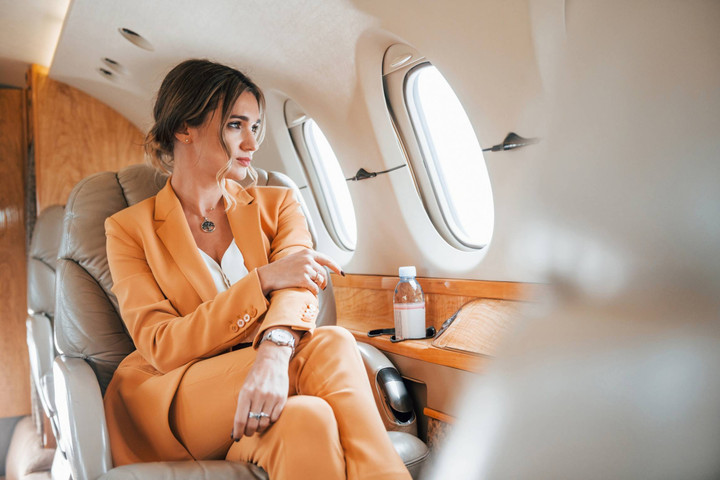
Want to experience a love story like this. traveling Experts suggest several things. First, you can join group tours or experience-based activities, as they provide opportunities to interact with people who have similar interests.
Second, choose a location with social infrastructure that aligns with your values and lifestyle. Next, determine goals based on personal interests, such as Florence or Kyoto for art and culture enthusiasts.
"If you all have chosen the same tour, it's likely you have similar interests," Clarke concluded.
Comments
Post a Comment